
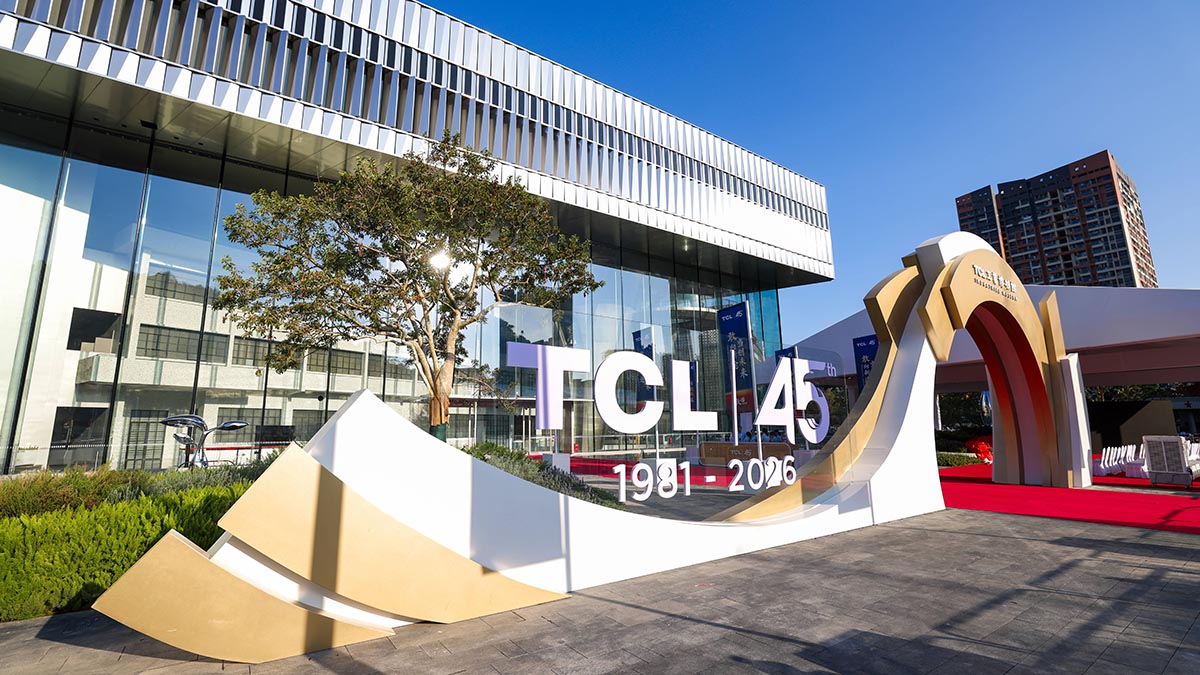
TCL marked its 45th anniversary with the opening of the TCL Industrial Museum in Huizhou, China, the city where the technology company was founded in 1981.
Built on the former factory site of TTK, TCL’s predecessor, the museum traces the company’s evolution alongside China’s electronics industry. Spanning more than 23,000 square meters, it features over 9,000 sqm of exhibition space, six exhibition halls, and a collection of more than 3,000 curated items.
“The TCL Industrial Museum is not only about preserving the journey behind us, but also about inspiring the journey ahead,” said Li Dongsheng, founder and chairman of TCL. “Over the past 45 years, TCL has grown through entrepreneurship, transformation and innovation. As we enter a new chapter, we will carry forward the same boldness and commitment to create new possibilities for the future.”
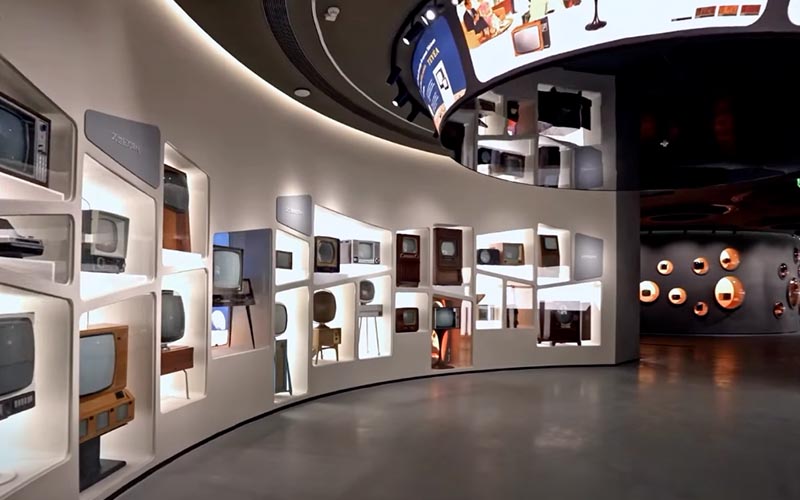
The museum showcases key milestones in electronics, including a 1920s Nipkow mechanical scanning disk, China’s first television set, and China’s first commercial computer. It also features the world’s first mass-produced printed OLED 4K display, developed by TCL CSOT in 2024, alongside more than 100 vintage television sets from around the world.
The museum also highlights TCL’s business transformation. In 2019, the company restructured into two independently operated entities: TCL Technology, focused on displays and new energy, and TCL Industries, specializing in smart devices and services.
Looking ahead, TCL is expanding its engagement beyond technology through partnerships and initiatives spanning sports, culture, and sustainability. As a Worldwide Olympic and Paralympic Partner, the company connects with audiences around the world, while TCLArt, TCLforHer, TCLGreen, and TCLYoung support its broader community initiatives.
The company says it will build on its legacy of innovation as it pursues sustainable growth and expands its global presence, with a continued focus on responsible business practices and developing technology that serves consumers.