


A new year always feels like hitting the refresh button. We set goals—some big, some tiny—hoping they’ll actually stick. Sure, everyone talks about fitness and saving money, but there’s a quieter trend picking up steam: living a greener, more eco-friendly life.
And here’s the good news—going green doesn’t have to be about overhauling your whole life. It’s really about little choices that add up, saving you money, boosting your health, and helping the planet along the way.
The idea of eco-resolutions might feel overwhelming at first. Plastic pollution, climate change, and carbon footprints are heavy topics. But the truth is, sustainability doesn’t have to be complicated. Think of it less like a chore and more like a series of small experiments in mindful living. Start with one habit, see how it fits into your life, and adjust from there. The key is consistency—not perfection.
Rethink your waste
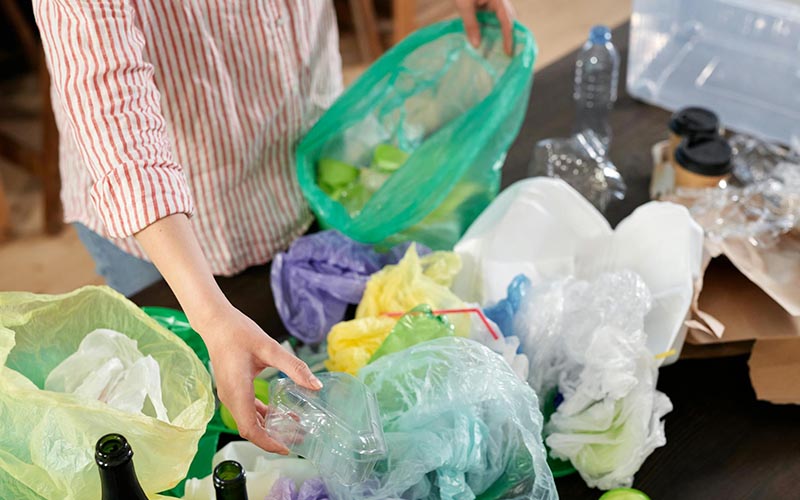
One of the easiest and most immediate areas to focus on is reducing waste. Consider the daily waste generated by the average Filipino, multiplied by a population exceeding 100 million—that’s a staggering amount of discarded materials. A simple first step could be swapping out disposable items for reusable alternatives. A stainless steel water bottle, a set of bamboo utensils, or a sturdy tote bag might feel like small gestures, but over a year, the cumulative effect is significant.
Composting is another game-changer, especially for urban dwellers with small spaces. Even a tiny counter-top compost bin can turn vegetable scraps into nutrient-rich soil for your balcony garden. If you live in an apartment, community composting programs are popping up in many cities, making it easier than ever to participate.
Shop with intention
We often underestimate the environmental cost of our shopping habits. Fast fashion, single-use packaging, and convenience-driven purchases leave a surprisingly large footprint. In 2026, consider adopting a “buy less, choose better” mindset. That doesn’t mean you have to live like a minimalist monk; it means making conscious choices. Prioritize quality over quantity, and support brands with sustainable practices—think local artisans, recycled materials, or companies with transparent supply chains.

Another approach is embracing second-hand shopping. Thrift stores, online marketplaces, and even swap events offer ways to refresh your wardrobe without adding to landfills.
This mindset can apply to household items, books, and electronics. One person’s pre-loved item can become another’s treasure—and every little bit helps reduce resource strain.
Eat smart, eat local
Food choices have a huge environmental impact. The production, transport, and packaging of the foods we eat contribute significantly to carbon emissions. One way to tackle this is by incorporating more plant-based meals into your diet. You don’t have to go fully vegan overnight—start small, with “Meatless Mondays” or vegetable-forward dinners.

Shopping local is another easy but powerful shift. Farmers’ markets, community-supported agriculture programs, and local co-ops not only reduce your carbon footprint but also support local economies. Seasonal eating is a bonus—when you eat produce that’s in season, it’s fresher, tastier, and requires less energy to grow and transport.
Rethink transportation
For many city dwellers, commuting is part of daily life. Cars are convenient, but they come with environmental costs. In 2026, consider alternatives that are both eco-friendly and beneficial for your health. Walking, biking, or using public transit whenever possible reduces emissions and encourages more active lifestyles.

If driving is unavoidable, explore options like carpooling, ride-sharing, or investing in electric or hybrid vehicles. Even small changes—like combining errands into a single trip—can reduce fuel consumption over time. Technology can help, too: apps that track carbon footprints, such as EcoHero, make sustainable commuting more accessible than ever.
Mindful energy use
Energy consumption is another area where small changes make a big difference. Simple habits like turning off lights when leaving a room, unplugging devices not in use, and choosing energy-efficient appliances can reduce your household’s carbon footprint.

TIP: Looking for energy-efficient appliances is easier than you think! Start by checking for the DOE energy label—it shows how much electricity an appliance uses and if it meets the Minimum Energy Performance Standards (MEPS). Look for inverter technology in ACs and refrigerators, LED lighting, and sizes that fit your household to avoid wasting power. A lower kWh means lower bills and a smaller carbon footprint.
For those with more flexibility, consider renewable energy options like solar panels. While the initial investment may seem steep, many local governments offer incentives, and the long-term savings—both financial and environmental—can be substantial.
Set realistic, measurable goals for yourself. For instance, aim to reduce single-use plastics by 50% this year, or commit to two plant-based meals per week.
Community and connection
Sustainability isn’t just an individual effort; it thrives on community. In 2026, consider ways to share your eco-conscious habits with others. Organize a neighborhood cleanup, start a local swap group, or simply share tips with friends and family. Every conversation about sustainability plants a seed, and the ripple effect of collective action is enormous.
Social media can be a surprisingly effective tool for eco-resolutions. Following eco-conscious influencers, sharing sustainable tips, or participating in online challenges keeps the momentum alive. But remember: the goal isn’t to show off—it’s to inspire change, even in small circles.
Celebrate progress, not perfection
Perhaps the most important principle of eco-resolutions is to focus on progress, not perfection. Sustainability isn’t a linear journey; it’s full of experiments, setbacks, and small victories. Missed a compost day? Forgot your reusable bag at the grocery store? It’s okay. The goal is to keep trying, adjusting, and learning.
Set realistic, measurable goals for yourself. For instance, aim to reduce single-use plastics by 50% this year, or commit to two plant-based meals per week. Track your progress and celebrate milestones—every step forward matters.
Looking ahead

The climate challenges we face can feel overwhelming, but what we do as individuals truly matters. In 2026, eco-resolutions aren’t about being perfect—they’re about being aware, intentional, and consistent. Small changes in how we handle waste, shop, eat, commute, and use energy can add up. Together, these little actions can make a big difference, helping create a greener, healthier planet for everyone.
Living sustainably need not feel like a compromise. It is an opportunity to live thoughtfully, reconnect with communities, and leave a meaningful impact. In 2026, let’s focus not just on personal growth, but on caring for the planet we all share.
By becoming more conscious consumers, neighbors, and citizens, we’re crafting a future where both people and the planet can thrive. And if that’s not a resolution worth keeping, what is?
This article was first published in Speed’s Holiday Issue 2025.