

Grab, Southeast Asia’s leading superapp, has entered a strategic partnership with GAC, a global pioneer in smart electric mobility, to accelerate the adoption of electric vehicles (EVs) across the region.
The collaboration will see an initial deployment of up to 20,000 high-performance GAC EVs across six markets: Singapore, Malaysia, Indonesia, the Philippines, Vietnam, and Thailand.
More than just expanding the number of EVs on Grab’s platform, the partnership is designed with driver-partners in mind. Grab and GAC will integrate their systems to create a smarter, safer in-vehicle experience, while also exploring improved after-sales support to better serve high-usage ride-hailing fleets.

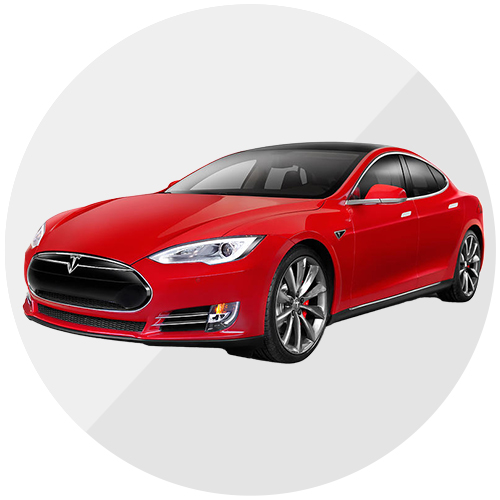
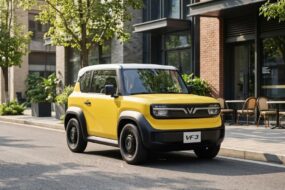
Grab will introduce three of GAC’s flagship EV models—the Aion Y, Aion ES, and Aion V—in the above-mentioned markets. Built to meet the demands of professional ride-hailing, these vehicles feature thoughtful touches such as wide 90-degree door openings and generous rear legroom, enhancing comfort for both drivers and passengers. The models were selected for their strong safety performance, driving range, and suitability for Southeast Asia’s diverse operating conditions.
A key highlight of the partnership is the integration of the Grab driver app into GAC’s intelligent cockpit system. Driver-partners will be able to view navigation, high-demand area insights, and safety alerts directly on the vehicle’s large, easy-to-read display—eliminating the need to switch between devices and allowing them to stay focused on the road.
Driver-partners can access these EVs through rentals from Grab’s fleet partners or via financing options under Grab’s car ownership schemes. Looking ahead, both companies plan to deepen collaboration on technology and further scale EV adoption across the region.
The move comes as Southeast Asia’s EV market gains momentum, with regional sales rising nearly 50% in 2024, according to the International Energy Agency. For Grab, the partnership supports its commitment to helping driver-partners transition to low- or zero-emission transport and advancing its goal of carbon neutrality by 2040—one electric ride at a time.