
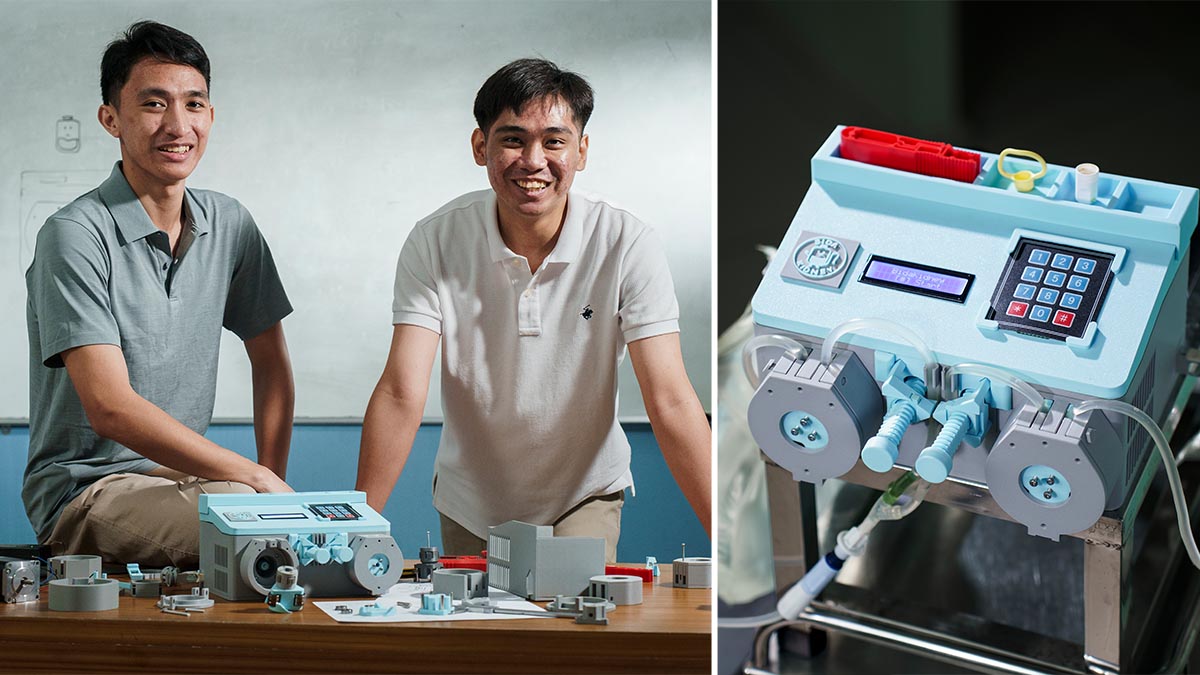
Andrew Jacob Buensalido and Allyson Cabrestante, graduates of the University of the Philippines Diliman, have been named the Philippine national winners of the James Dyson Award 2026 for BiDaKidney, a low-cost, semi-automated machine designed to make peritoneal dialysis simpler, safer, and more accessible at home.
The international design competition recognizes young problem-solvers who use engineering and design to address real-world challenges.
For Filipino patients living with kidney disease, dialysis can be a demanding part of everyday life, involving recurring costs, travel to dialysis centers, hours spent receiving care, and sustained support from family members and caregivers. The number of people undergoing dialysis in the Philippines reached 64,845 in 2024, up 22% from 53,296 in 2023. Kidney disease also remains among the country’s 10 leading causes of death.
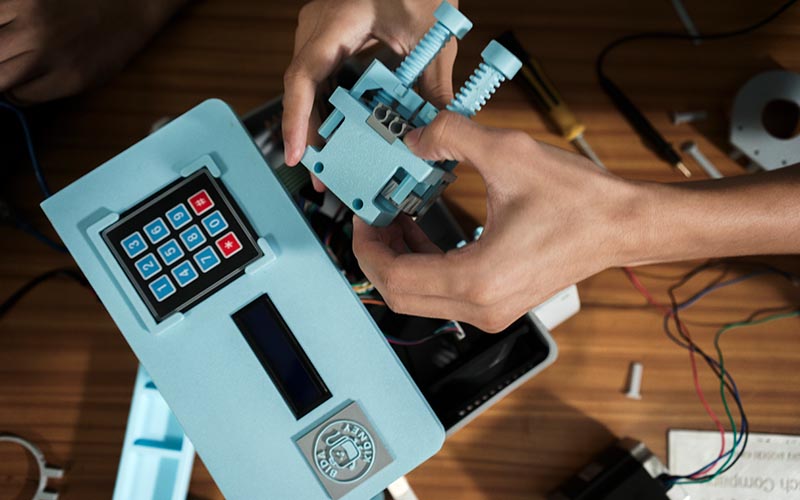
BiDaKidney seeks to ease these challenges by improving how peritoneal dialysis (PD) is managed at home. Unlike hemodialysis, which typically filters blood through a machine in a dialysis center, PD uses the lining of the abdomen as a natural filter and can be performed outside a clinical setting. However, home PD still involves fluid exchanges, monitoring, and record-keeping.
Designed for people with chronic kidney disease who are eligible for home PD, BiDaKidney automates key steps in managing dialysis fluid. It works with standard PD supplies, using a controlled pump and built-in weight sensors to move dialysis fluid and track its volume during treatment.
By reducing the need to manually manage fluid flow, handle tubing, and record fluid volumes, the system aims to reduce manual work, contamination risks, and record-keeping for patients and caregivers.
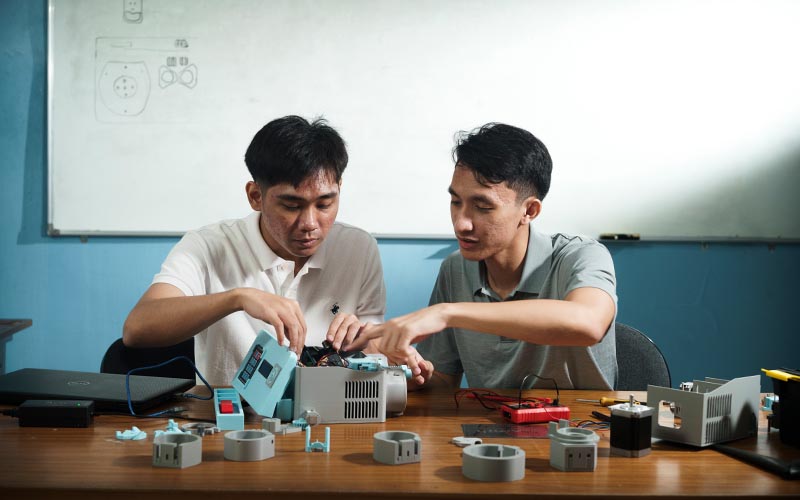
Andrew said: “When we started BiDaKidney, we were thinking about how we could help patients spend less of their lives managing dialysis and more of their time living it. If treatment at home can become simpler, safer, and cheaper, patients may be able to continue their care with greater confidence and independence, while easing some of the responsibility carried by their families. Winning the James Dyson Award national prize gives us the opportunity to keep working toward that goal.”
BiDaKidney receives P398,280 from the national prize for further development and commercialization. Following feedback from PD nurses and nephrologists at a tertiary government hospital, the team plans to refine its usability and safety features, explore battery-powered operation during power interruptions, and prepare for formal clinical testing and broader patient evaluation.
Allyson added: “The award means a lot because it helps us continue building BiDaKidney with the people who may need it one day in mind. There are still many things we want to improve, and the prize gives us room to do that work properly. Our hope is that BiDaKidney can eventually give families another way to manage dialysis care with more confidence at home.”
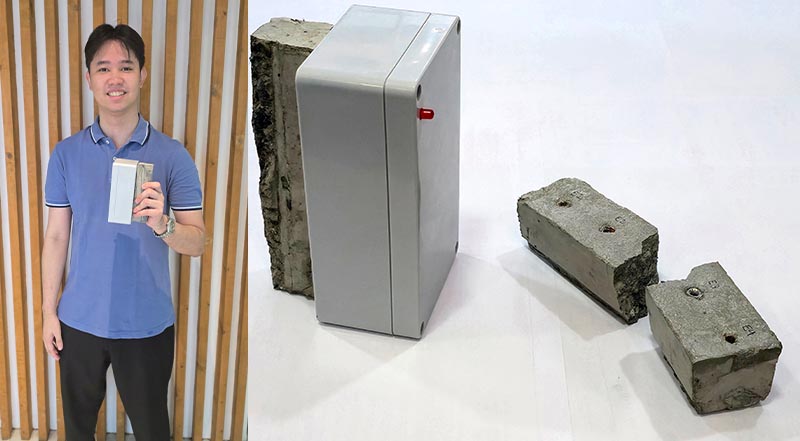
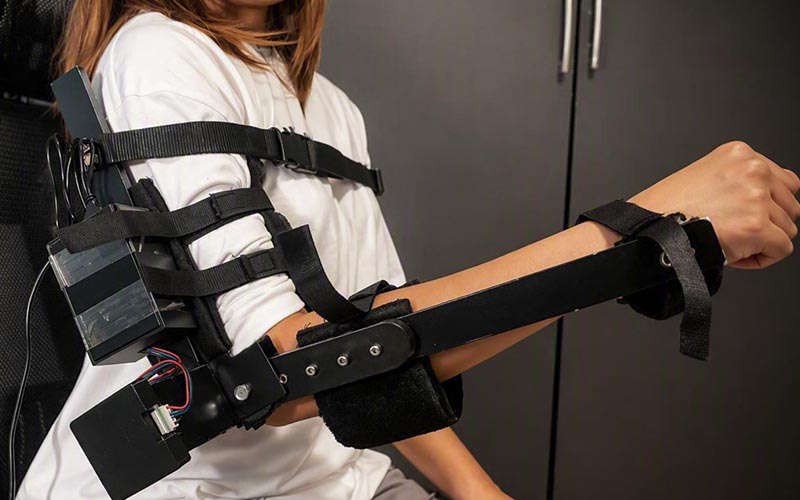
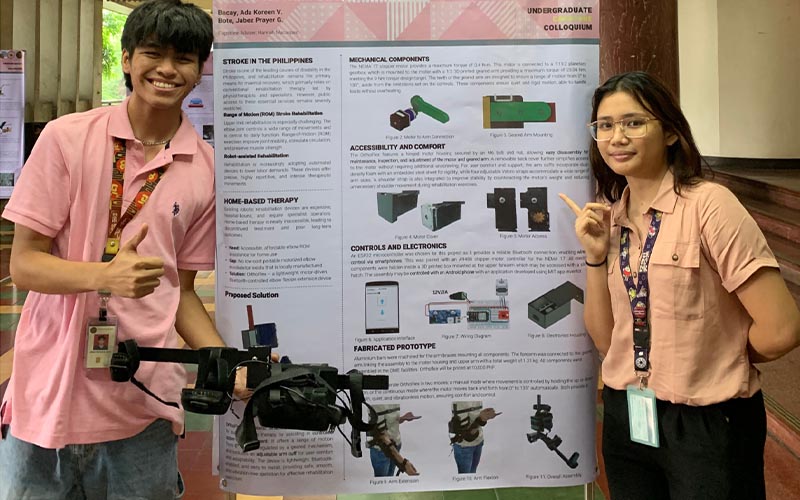
The national runners-up are Sentinel, a remote building-damage sensor designed to detect concrete cracks, and OrthoFlex, a portable robot-assisted elbow device for post-stroke rehabilitation. All three inventions advance to the international stage for a chance to win P2,390,230.
A global team of Dyson engineers will select the international Top 20 shortlist, to be announced on October 14. James Dyson will then choose the global winners, who will be announced on November 4.