
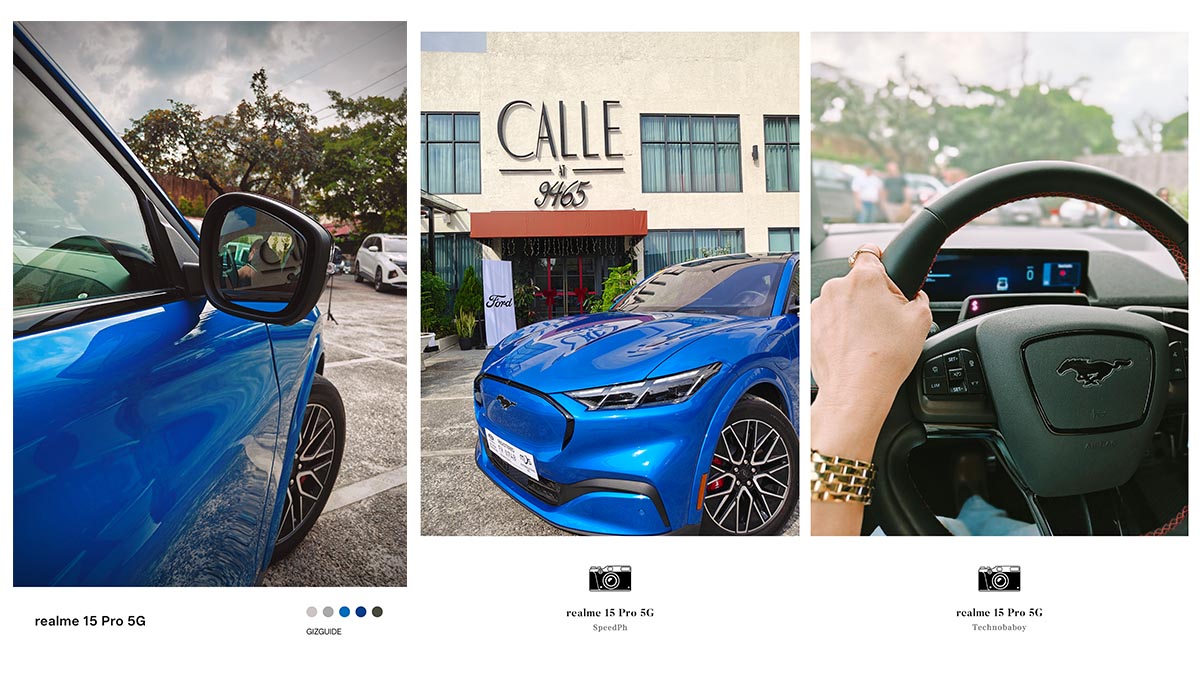
A great car photo does more than show what a vehicle looks like. It captures how it feels. The curve of a body line, the way the car sits on the road, or the sense of motion even when it’s standing still—all of these elements come together to create an image that makes people pause and take a second look. With today’s smartphones making photography more accessible than ever, creating compelling car photos is no longer limited to professionals with expensive gear.
This was the focus of a recent car photography workshop hosted by Ford Philippines in partnership with realme Philippines. Technology journalists were invited to learn from veteran automotive photographer Manskee Nascimento, using the all-electric Mustang Mach-E as the main subject and the realme 15 Pro 5G as the shooting device.
Here are five car photography tips shared during the session:
Tip #1: Understand the subject
Great car photos start before you press the shutter. Learning about the vehicle’s heritage, purpose, and personality helps shape stronger visual stories. Shooting the Mustang Mach-E alongside a stallion, for example, creates a powerful contrast between traditional horsepower and modern electric performance.
Another option is to capture the Mustang Mach-E in an urban setting, and then using touches of foliage to echo its wild heritage and accentuate its sleek, performance-driven design.
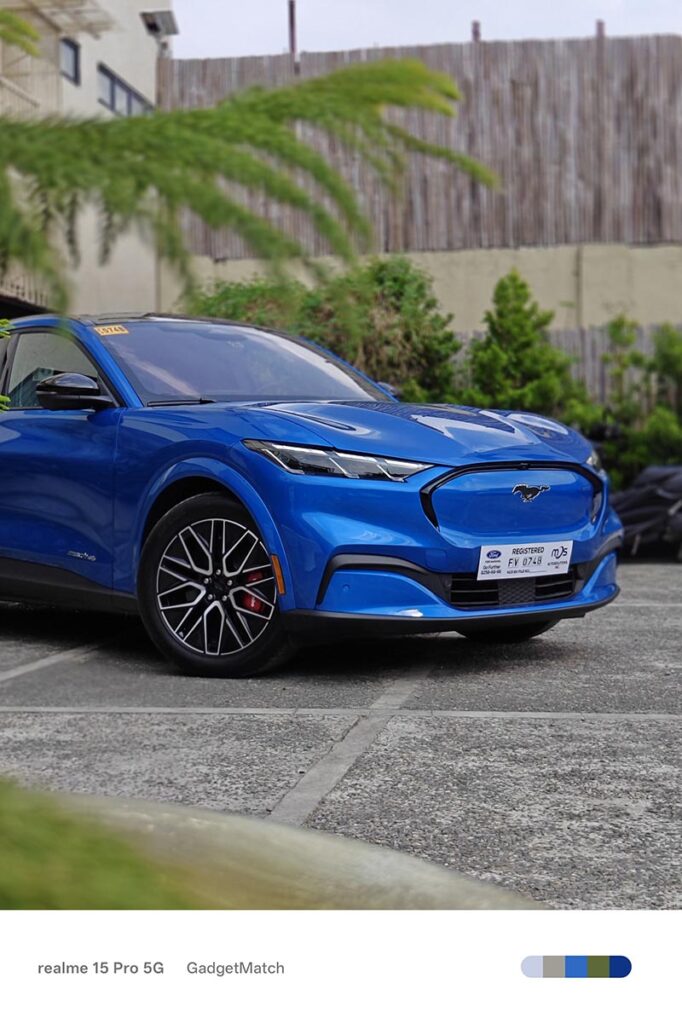
Tip #2: Situate the subject strategically
Composition is equally important. Where you stand and how you frame the car can completely change the impact of a shot. Shooting from a low angle can make a vehicle look more powerful, while using roads, sidewalks, or building lines to lead the viewer’s eye naturally toward the car adds depth.
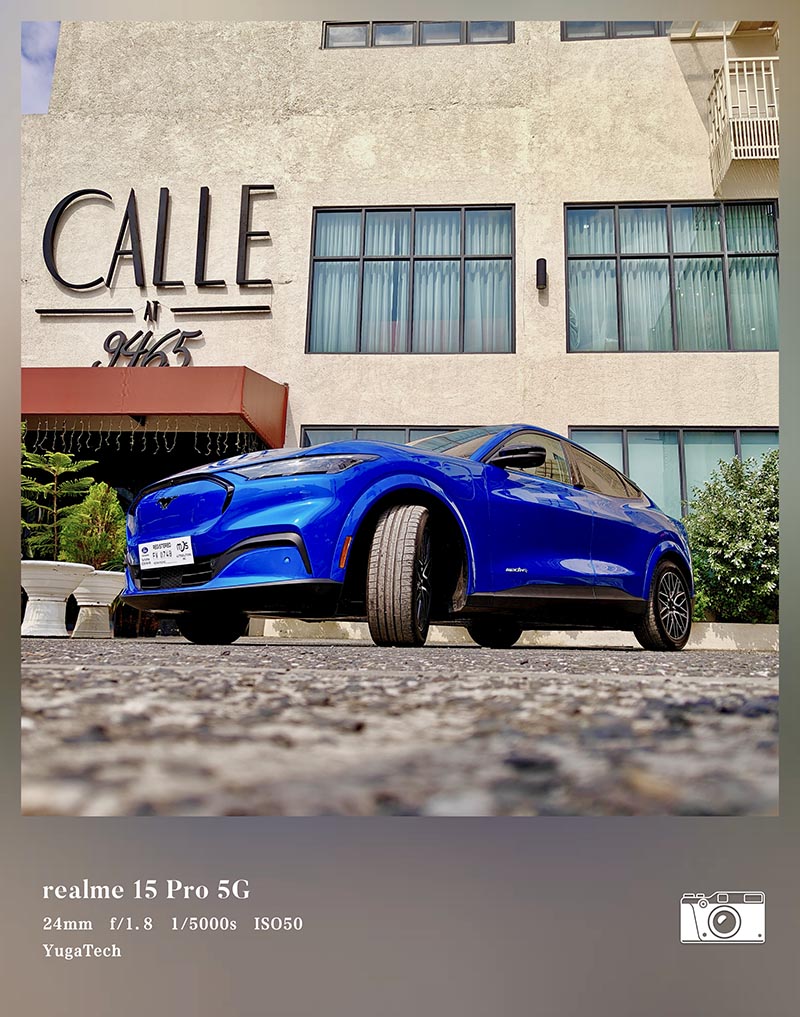
Techniques such as the Rule of Thirds or using negative space help keep photos balanced without feeling forced.
Tip #3: Embrace the light
Photographers often chase the soft, warm light of early mornings or late afternoons for good reason—it flatters both the car and the surroundings. Still, good results aren’t limited to perfect conditions. Modern smartphones allow users to adjust exposure or switch to manual controls to adapt to changing light.
While natural light goes a long way, a powerful smartphone camera can make adapting to different lighting even easier. With the realme 15 Pro 5G, for instance, it’s easy to fine-tune exposure to suit any lighting condition—whether by adjusting aperture, shutter speed, and ISO in Pro Mode or letting the phone’s Auto mode do the work.
Tip #4: Capture motion and energy
Cars are designed to move, and photos that reflect this feel more alive. Motion blur, splashing water, or dust kicked up on the road can instantly add excitement. Capturing a vehicle in action communicates performance and purpose.
Tip #5: Highlight details and textures
Close-up shots of textures, badges, lighting elements, or interior finishes highlight craftsmanship and design intent.
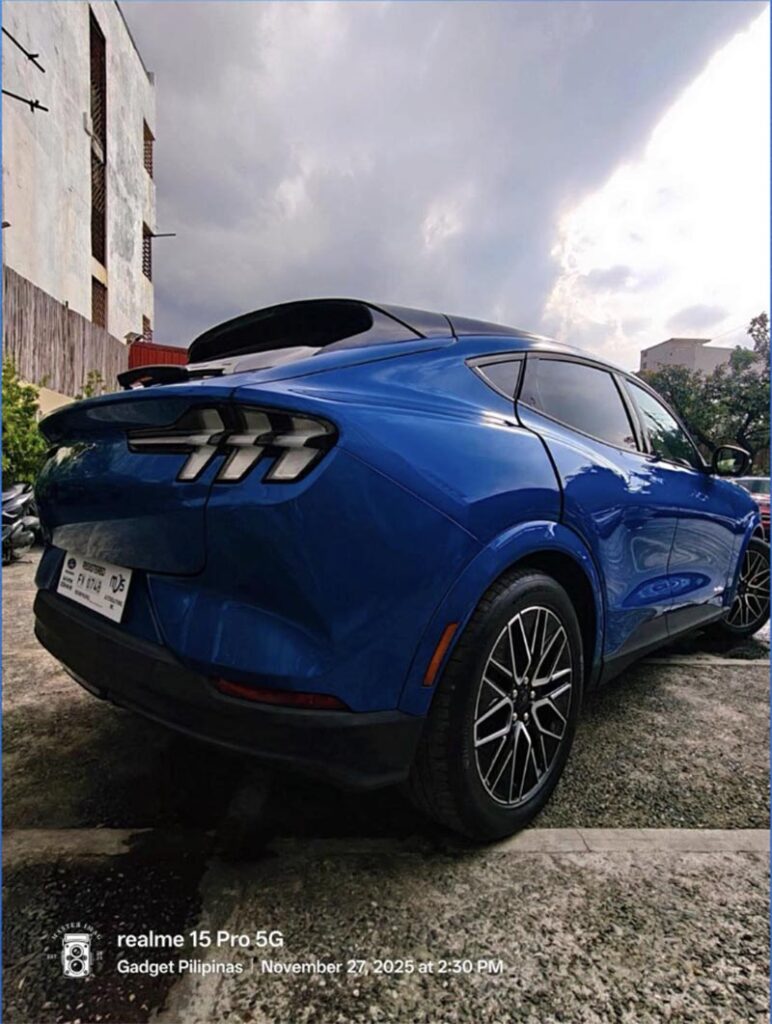
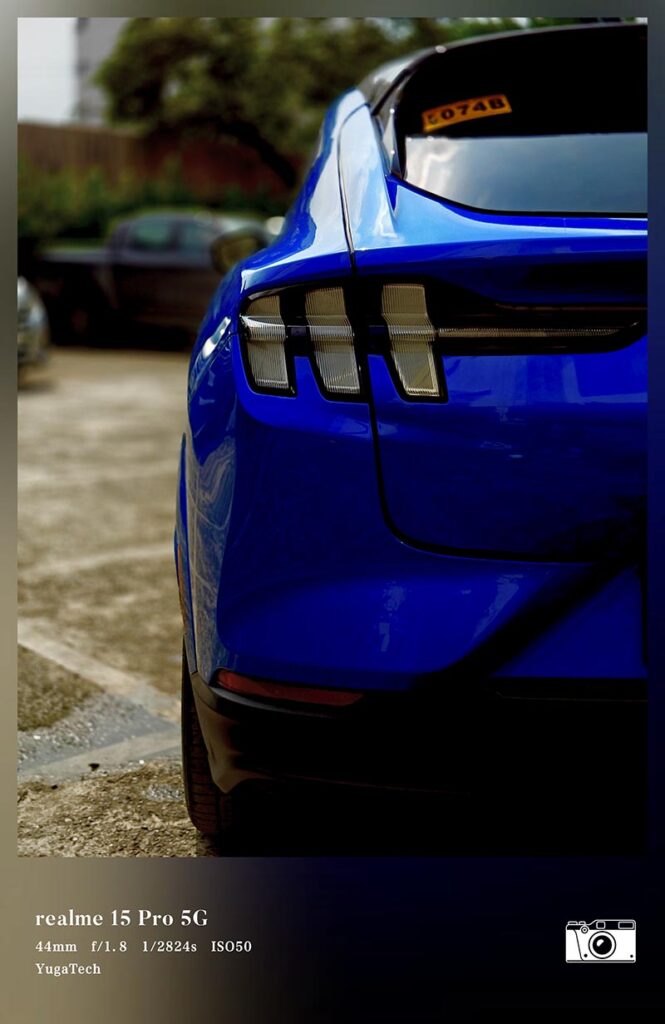
Little easter eggs, such as the Mach-E’s E-Latch door handles or the way the Mustang’s signature tri-bar tail lamps carry over to its all-electric form, make for compelling photos by highlighting details that are easy to miss at first glance.